Discover Unique Cyanotype Prints for Your Home
Cyanotype prints are not just a trend; they are a unique form of art that can transform your living space. With their striking blue tones and intricate designs, these prints offer a blend of creativity and history that can elevate any room. Whether you are an art enthusiast or simply looking to add a personal touch to your home, cyanotype prints can be the perfect solution. In this post, we will explore what cyanotype prints are, how they are made, and how you can incorporate them into your home decor.
What Are Cyanotype Prints?
Cyanotype is a photographic printing process that produces a distinctive blue print. This technique was invented in 1842 by Sir John Herschel, a British scientist. The process involves using a photosensitive solution made from ferric ammonium citrate and potassium ferricyanide. When exposed to ultraviolet light, the solution undergoes a chemical reaction that creates the iconic blue color.
Characteristics of Cyanotype Prints
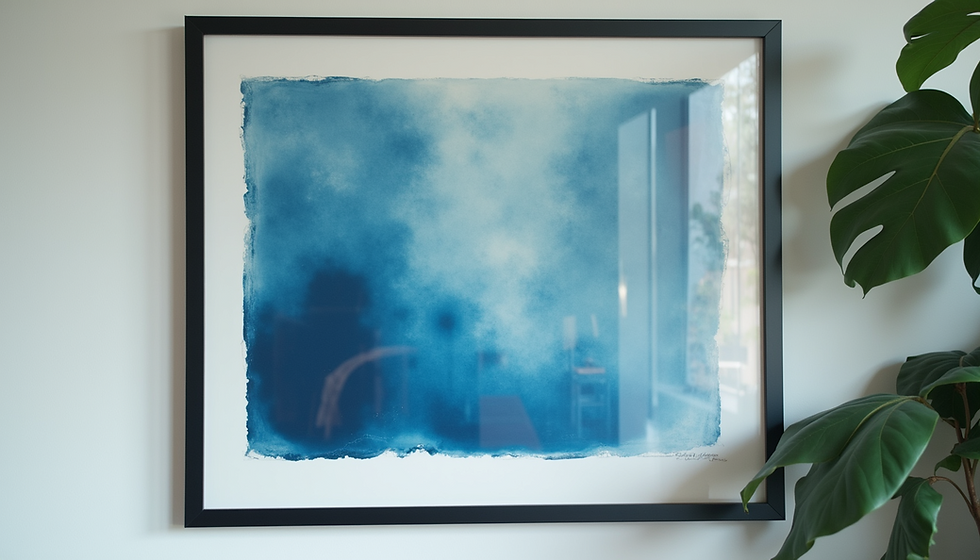
Color: The most notable feature of cyanotype prints is their deep blue hue, which can range from a light sky blue to a rich, dark navy.
Texture: The texture of cyanotype prints can vary depending on the paper used and the application technique. Some prints may have a smooth finish, while others may appear more textured or grainy.
Design: Cyanotypes can feature a variety of designs, from botanical elements to abstract patterns. The beauty of this process lies in its ability to capture intricate details.
The Cyanotype Process
Creating cyanotype prints is a fascinating process that combines art and science. Here’s a step-by-step guide on how it’s done:
Preparation of Materials: Gather your materials, including watercolor paper, a cyanotype solution, and objects or negatives to use for exposure.
Coating the Paper: Using a brush or sponge, apply the cyanotype solution evenly onto the paper. This step should be done in low light to prevent premature exposure.
Drying: Allow the coated paper to dry completely in a dark environment.
Exposure: Place your chosen objects or negatives on the dried paper and expose it to sunlight or UV light. The exposure time can vary, typically ranging from 10 to 30 minutes, depending on the intensity of the light.
Washing: After exposure, rinse the paper in water to stop the chemical reaction. This step reveals the blue print.
Drying Again: Let the print dry completely before framing or displaying it.
Tips for Successful Cyanotype Prints
Choose Interesting Objects: The best cyanotype prints often feature unique shapes and textures. Consider using leaves, flowers, or even lace for intricate designs.
Experiment with Exposure Times: Different exposure times can yield varying shades of blue. Don’t hesitate to experiment to find the perfect balance.
Use Quality Paper: The type of paper you use can significantly affect the final result. Watercolor paper is a popular choice due to its absorbency and texture.
Incorporating Cyanotype Prints into Your Home Decor
Cyanotype prints can serve as stunning focal points in your home. Here are some creative ways to incorporate them into your decor:
Gallery Wall
Creating a gallery wall is a fantastic way to showcase multiple cyanotype prints. You can mix different sizes and designs to create visual interest. Consider framing your prints in simple, modern frames to let the artwork shine.
Statement Pieces
If you have a particularly striking cyanotype print, consider making it a statement piece. Hang it above a sofa or in a hallway where it can catch the eye of anyone who enters the room.
Functional Art
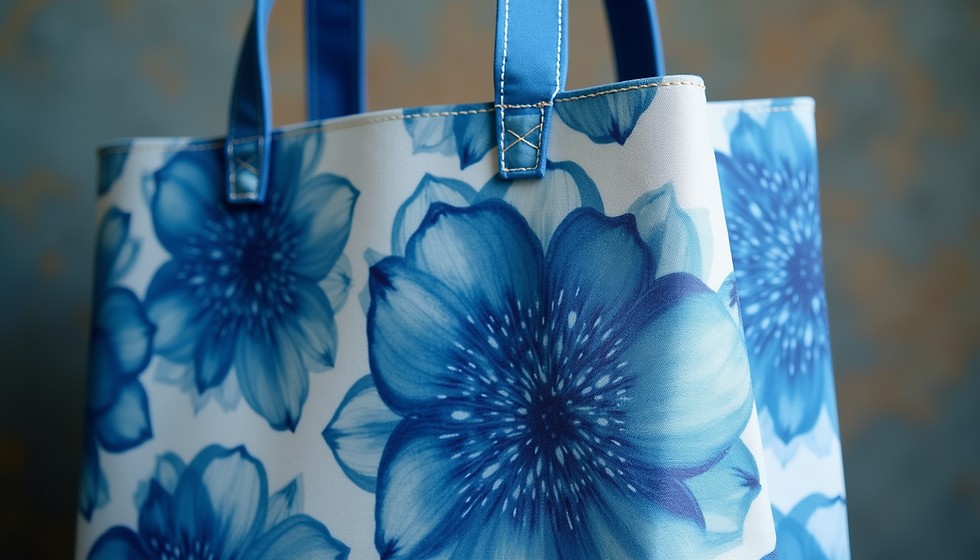
Cyanotype prints can also be used in functional items. Consider printing your designs on fabric to create unique throw pillows or table linens. This adds a personal touch to your home while showcasing your artistic side.
Seasonal Decor
Cyanotype prints can be easily swapped out with the seasons. Create prints that reflect seasonal themes, such as autumn leaves or spring flowers, and change them out to keep your decor fresh and relevant.
Caring for Your Cyanotype Prints
To ensure your cyanotype prints remain vibrant and intact, follow these care tips:
Avoid Direct Sunlight: While cyanotypes are known for their UV sensitivity, prolonged exposure to direct sunlight can fade the colors over time. Display your prints in areas with indirect light.
Use Acid-Free Materials: When framing your prints, use acid-free mats and backing to prevent deterioration.
Clean Gently: If your prints gather dust, use a soft, dry cloth to gently wipe them clean. Avoid using water or cleaning solutions.
Where to Find Cyanotype Prints
If you’re not ready to create your own cyanotype prints, there are many places to find unique pieces:
Art Galleries: Many local galleries feature works by artists who specialize in cyanotype prints.
Online Marketplaces: Websites like Etsy and Society6 offer a wide range of cyanotype prints from independent artists.
Craft Fairs: Visiting local craft fairs can be a great way to discover unique cyanotype prints and support local artists.
Conclusion
Cyanotype prints are a beautiful and unique way to enhance your home decor. With their rich history and stunning blue tones, they can add a touch of creativity and personality to any space. Whether you choose to create your own prints or purchase them from an artist, incorporating cyanotypes into your home is sure to make a lasting impression. So why not start your collection today? Explore the world of cyanotype prints and discover the perfect pieces to reflect your style and taste.
Comments